Antiparos may be small in size, but it is vast in character. This tranquil island, a short hop from its larger sibling, Paros, is defined by its quiet Cycladic charm, a spectacular geological wonder, and a coastline dotted with stunning beaches.
From the vibrant pulse of its main village to the serenity of its southern coves, here are the key sights and areas that make Antiparos an unmissable destination.
1. Antiparos Town (Chora) & The Venetian Kastro
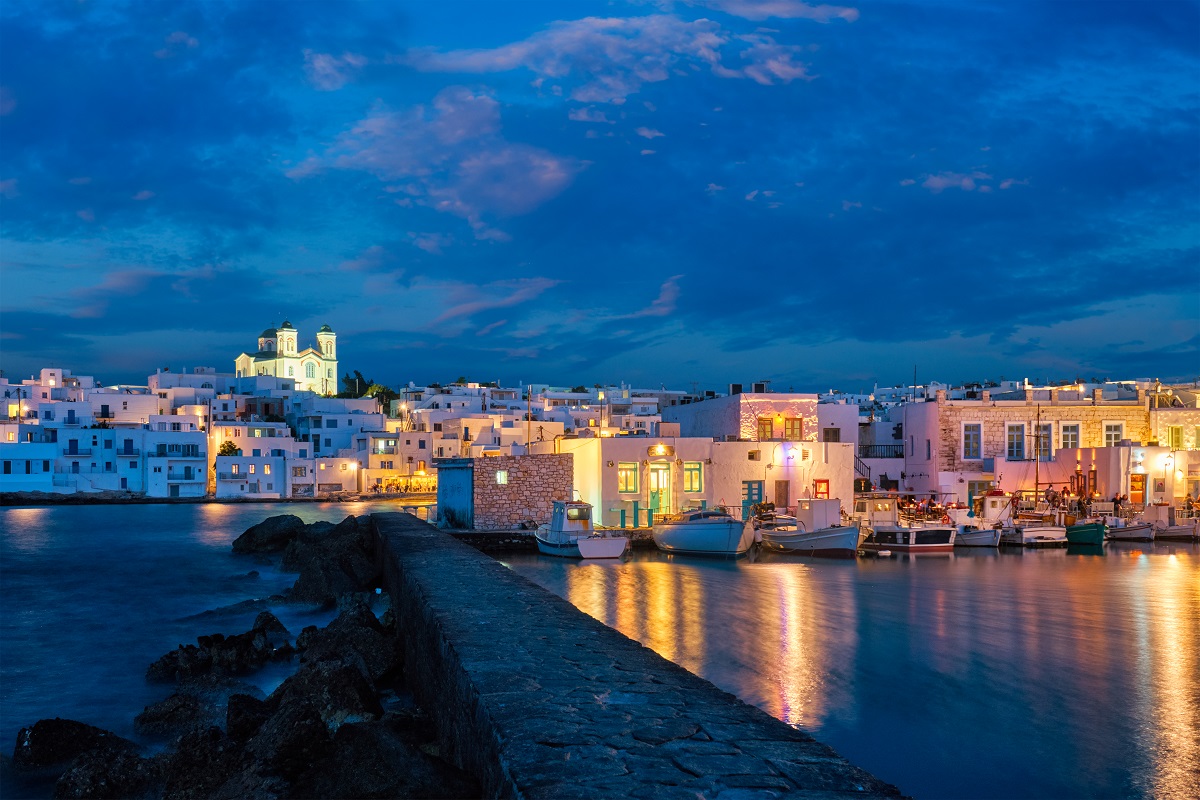
The island's main village and port is the undisputed heart of Antiparos. Often simply called "Chora," it is the first area to captivate visitors stepping off the ferry.
-
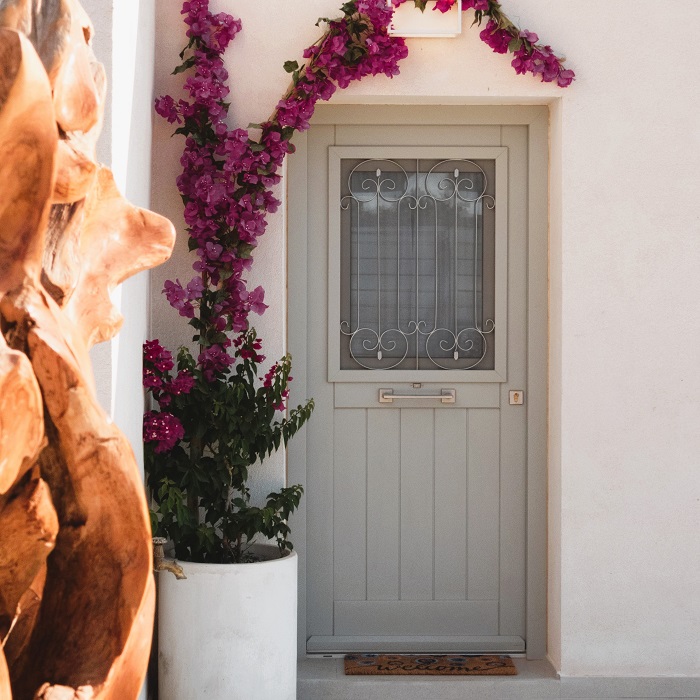
The Main Pedestrian Street: This charming, narrow thoroughfare is the island's social and commercial center. Lined with whitewashed, cube-shaped houses adorned with vibrant bougainvillea, it hosts chic boutiques, artisan shops, cozy cafés, and lively tavernas. It is the place for an evening stroll (volta), dining, and people-watching.
-
The Kastro (Castle): At the end of the main street, you will find the entrance to the Venetian Kastro, built in the mid-15th century as a fortified residential complex against pirate raids. Instead of a traditional castle wall, the surviving structure is a unique square formation of houses whose outer walls served as the defense perimeter. Entering through the stone archway transports you to a quieter, historic quarter.
-
Agios Nikolaos Square: The village's main square, marked by a striking eucalyptus tree, is a central hub for nightlife and relaxation, especially after sunset.
2. The Cave of Antiparos (Spilaios)
The island's most significant natural attraction is a must-see for any visitor. Located on Agios Ioannis Hill, about 8 km south of Chora, this is no ordinary cave.
-
A Natural Wonder: The Cave of Antiparos is famous for being the only vertical cave in Europe, plunging approximately 85 meters into the earth. Visitors can descend a well-maintained staircase of over 400 steps to admire its spectacular, centuries-old stalactites and stalagmites.
-
Historical Significance: The cave has served as a place of refuge and worship since the Neolithic period, with historical figures like Lord Byron and King Otto leaving their names inscribed on its walls.
-
Visitor Tips: Entry includes admission to the small Historical and Folklore Museum back in Chora. Wear comfortable shoes and be prepared for the climb back up!
3. The Unspoiled Southern Coastline
As you travel south from Chora, the landscape becomes more rugged, leading to a host of diverse and beautiful beaches.
-
Soros Beach: One of the most popular organized beaches, Soros features deep, crystalline waters, golden sand, and a prominent beach bar/taverna. It's a great spot for a full day of swimming and relaxing.
-
Agios Georgios: Located on the southwestern tip, this sheltered bay is home to a small, quiet fishing village. The beach offers stunning views of the nearby island of Despotiko and is famous for its excellent seafood tavernas, such as Captain Pipinos.
-
Faneromeni Beach: A remote and tranquil beach in the far south, often unorganized, making it perfect for those seeking solitude and raw nature.
4. Coastal Gems Near Chora
For convenience and variety, the northern and eastern beaches close to the main town are easily accessible.
-
Psaraliki Beaches (I & II): Just a 10-minute walk south of Chora, these two adjacent beaches are a mix of organized sunbeds, tamarisks offering natural shade, and fine sand. Psaraliki II is notably quieter and popular with nature lovers.
-
Agios Spyridonas Beach: Affectionately known as "Baby Beach," this is the closest to the port (only 200 meters). Its incredibly shallow, calm waters make it ideal for families with young children.
-
Sifneiko Beach (Sunset Beach): Located on the western edge of Chora, this spot lives up to its nickname, offering arguably the best sunset views on the island over the Aegean Sea.
5. Day Trip to Despotiko Island
A short boat trip from Agios Georgios, the uninhabited islet of Despotiko is a rewarding excursion that combines history with natural beauty.
-
Archaeological Site: Despotiko is a significant site, home to the ongoing excavation of an ancient sanctuary believed to have been dedicated to the god Apollo.
-
Livadi Beach: The island is also home to this spectacular, undeveloped beach known for its fine silver sand and turquoise waters—an ideal reward after exploring the ruins.